Energy Resilience for Luxury Mountain Homes
Why integrated Energy Management Systems (EMS) are essential in high-elevation communities
Luxury homes in mountainous regions face above-average power risk due to a combination of severe weather, a notoriously faulty power grid, and homes that rely on technology as a central part of the experience they provide.
Recent regional storms have caused thousands to tens of thousands of customers to lose power across southwest Montana, underscoring that outages are not rare events; they are an expected operating condition.
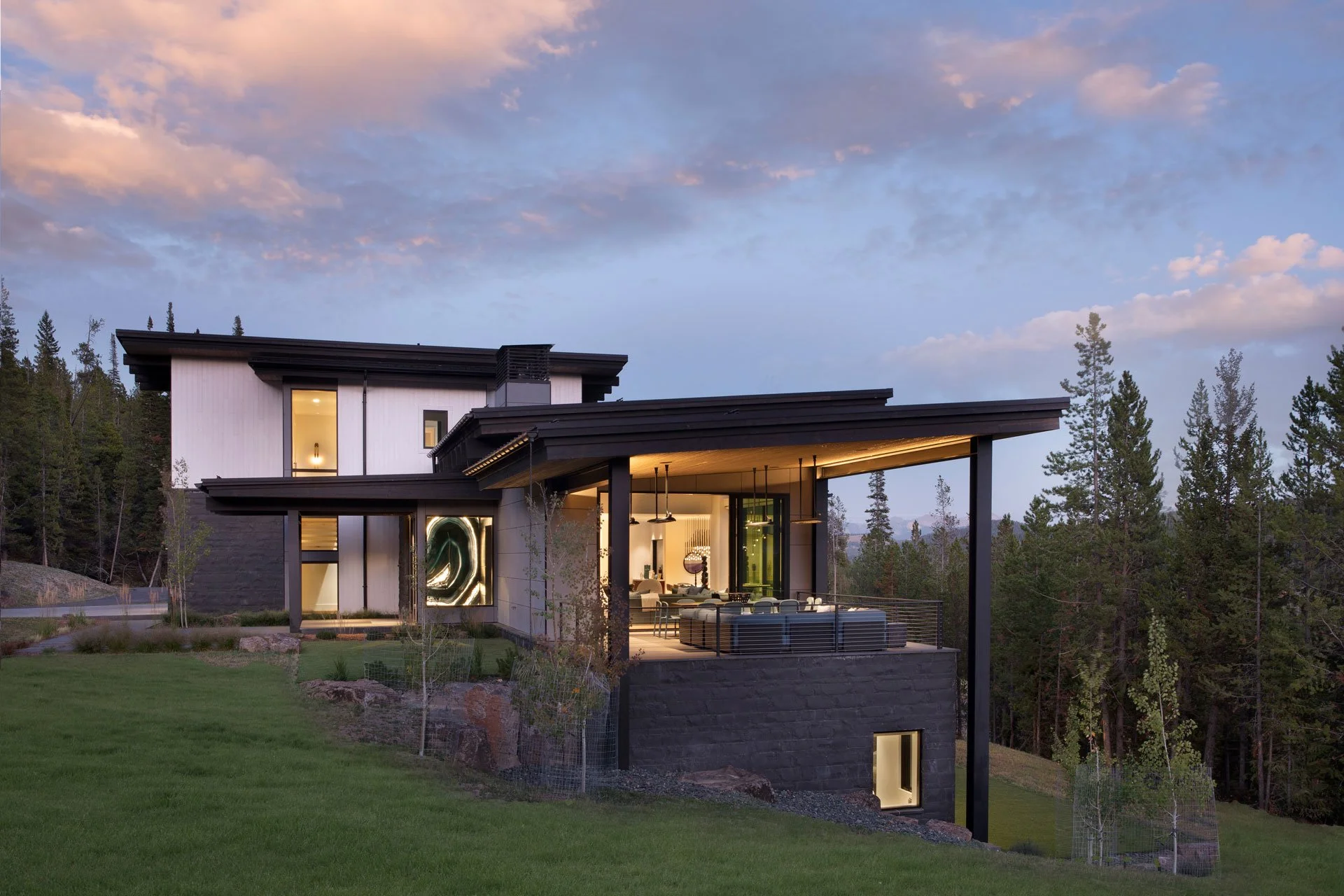
Why a generator alone is no longer enough
Traditional backup generators solve extended outages, but they do not address:
Voltage sags and surges that damage sensitive electronics
Power Quality
Inefficient use of backup power during outages
Lack of visibility into what is consuming power
For luxury homes, resilience must be managed, not reactive.
The solution: Integrated Energy Management Systems (EMS)
Modern EMS platforms, such as RoseWater Energy, 360 Power Quality and Savant Power, combine clean power, backup orchestration, and intelligent load control into a single infrastructure layer.
Key capabilities include:
Power filtration for clean, stable home resilience
Seamless coordination between grid, battery, and generator
Circuit-level monitoring and control
Automatic load shedding and priority management
Power conditioning to protect high-value electronics
Remote visibility for owners, staff, and service teams
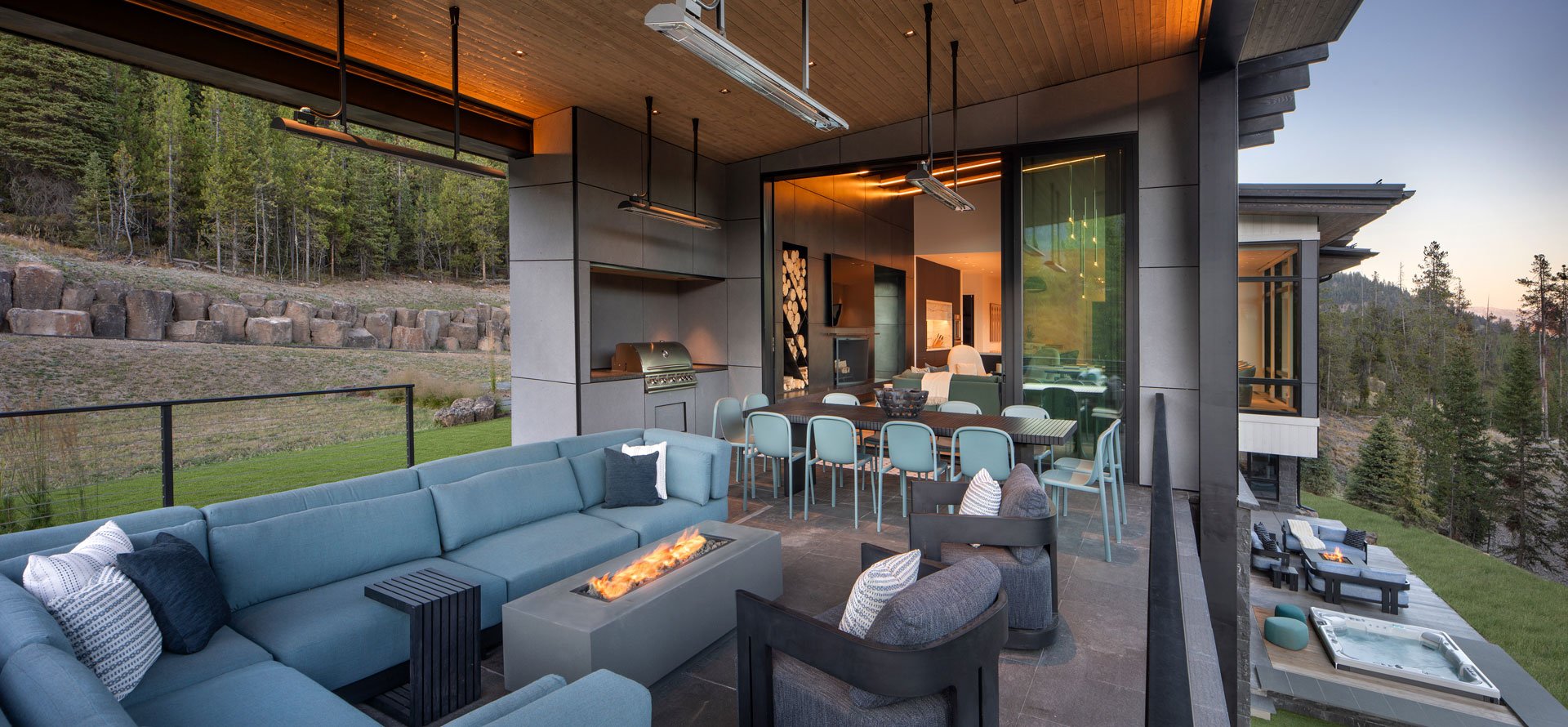
What this delivers for homeowners:
Lifestyle continuity
Critical systems stay online during storms: heating controls, network/Wi-Fi, security, lighting, refrigeration, and access systems.Asset protection
Conditioned, stable power dramatically reduces failures of automation, AV, networking, and control systems.Longer backup runtime
By shedding non-essential loads (snowmelt, spas, EV charging), backup power lasts significantly longer during extended outages.Reduced risk & service events
Fewer emergency calls, fewer frozen-pipe incidents, faster troubleshooting, often remotely.Future-ready infrastructure
EMS integrates cleanly with solar, battery storage, generators, and whole-home automation, preserving flexibility and resale value.
Bottom line
In high-elevation communities, power interruptions are inevitable, but disruption, damage, and downtime are not.
An integrated Energy Management System transforms power from a vulnerability into a managed, resilient asset, protecting:
the home
the lifestyle
the investment
Energy resilience is no longer an upgrade. It’s core infrastructure.