Better Outcomes Start with Skilled Integrators
How Does a Trained Integrator Impact Project Outcomes?
1. Cleaner Coordination During Design and Prewire
Trained Custom Integration (CI) professionals understand architectural drawings, reflected ceiling plans, and finish schedules. Education standards promoted by organizations such as CEDIA, HTSA and The Guild Integrators’ Alliance emphasize early coordination with architects, builders, and electricians.
Impact for Builders & Architects:
Fewer RFIs and last-minute changes
Reduced field conflicts and drywall rework
Better alignment with structural and aesthetic intent
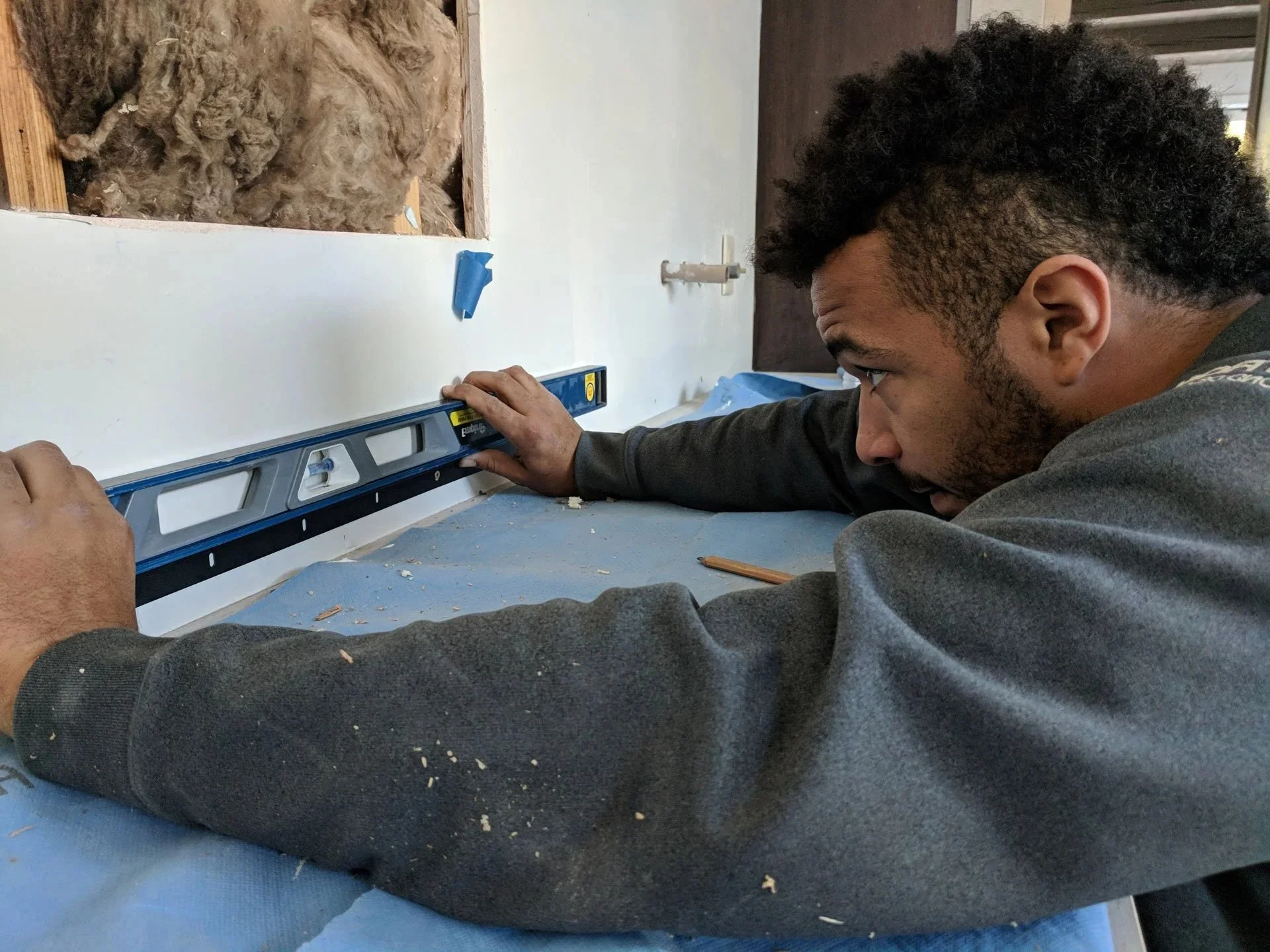
2. Protection of Design Intent
Training develops design literacy around speaker placement, lighting control ergonomics, sightlines, and concealment strategies, allowing technology to integrate discreetly into architecture and interiors.
Impact for Builders & Architects:
Minimal visual clutter
Technology that “disappears” into the space
Preservation of material, millwork, and finish details
3. Fewer Site Disruptions and Schedule Delays
Educated integrators anticipate technical challenges before construction milestones. They plan infrastructure correctly during framing and prewire phases, reducing the need for retrofits.
Impact for Builders & Architects:
Fewer callbacks after finishes are complete
Reduced risk of delays caused by technology conflicts
Smoother sequencing with other trades
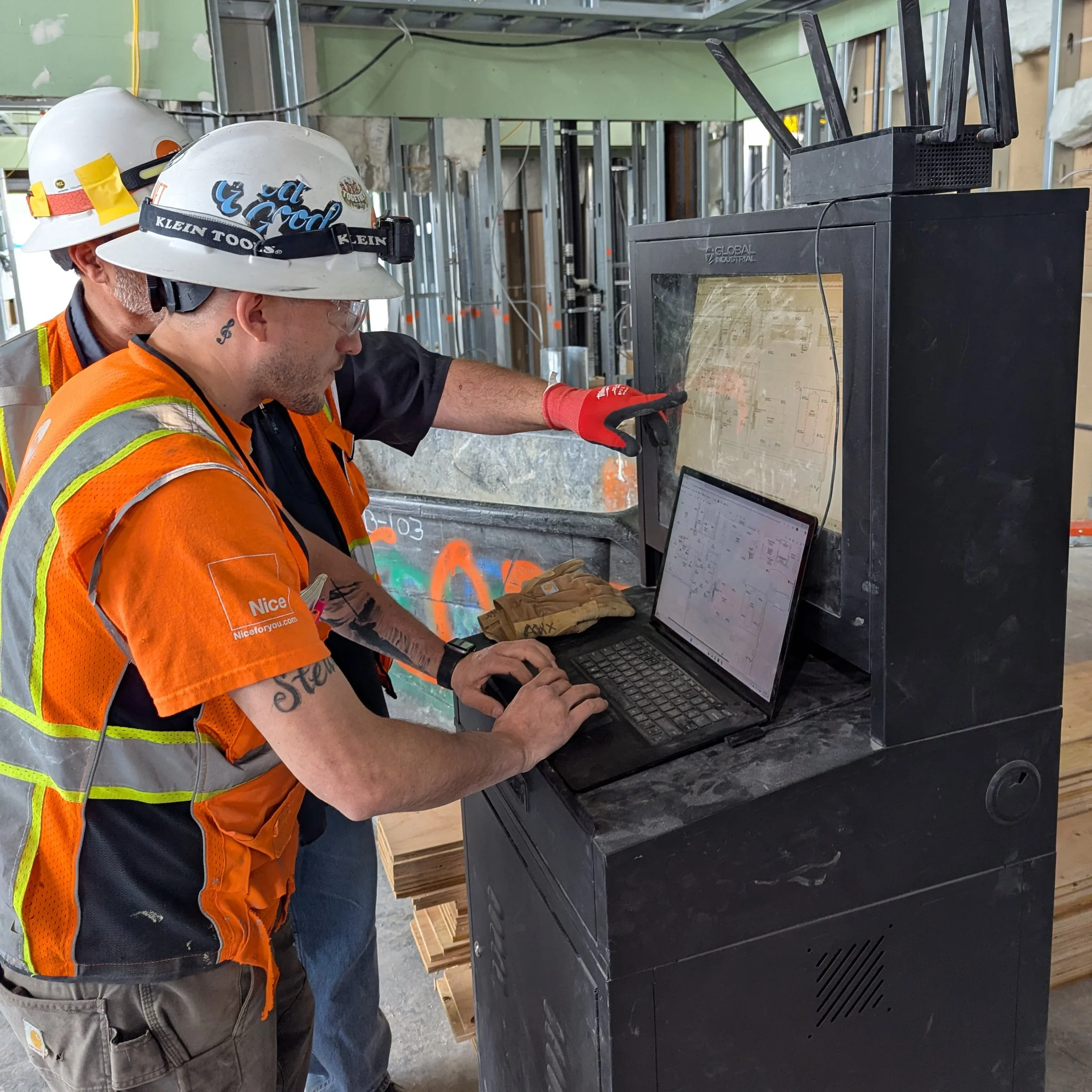
4. Higher Finish Quality and Jobsite Professionalism
Training emphasizes finishing standards often invisible to clients but critical to long-term success: labeling, documentation, rack organization, and commissioning discipline.
Impact for Builders & Architects:
Cleaner mechanical rooms and closets
Fewer post-occupancy service issues
Professional client turnover experience
5. Reduced Long-Term Liability
Improper CI work can create service, safety, and warranty issues years after project completion. Education supported by organizations such as AVIXA improves understanding of power, networking, and system interoperability.
Impact for Builders & Architects:
Lower risk of post-handoff complaints
Reduced association with system failures
Stronger protection of reputation and brand
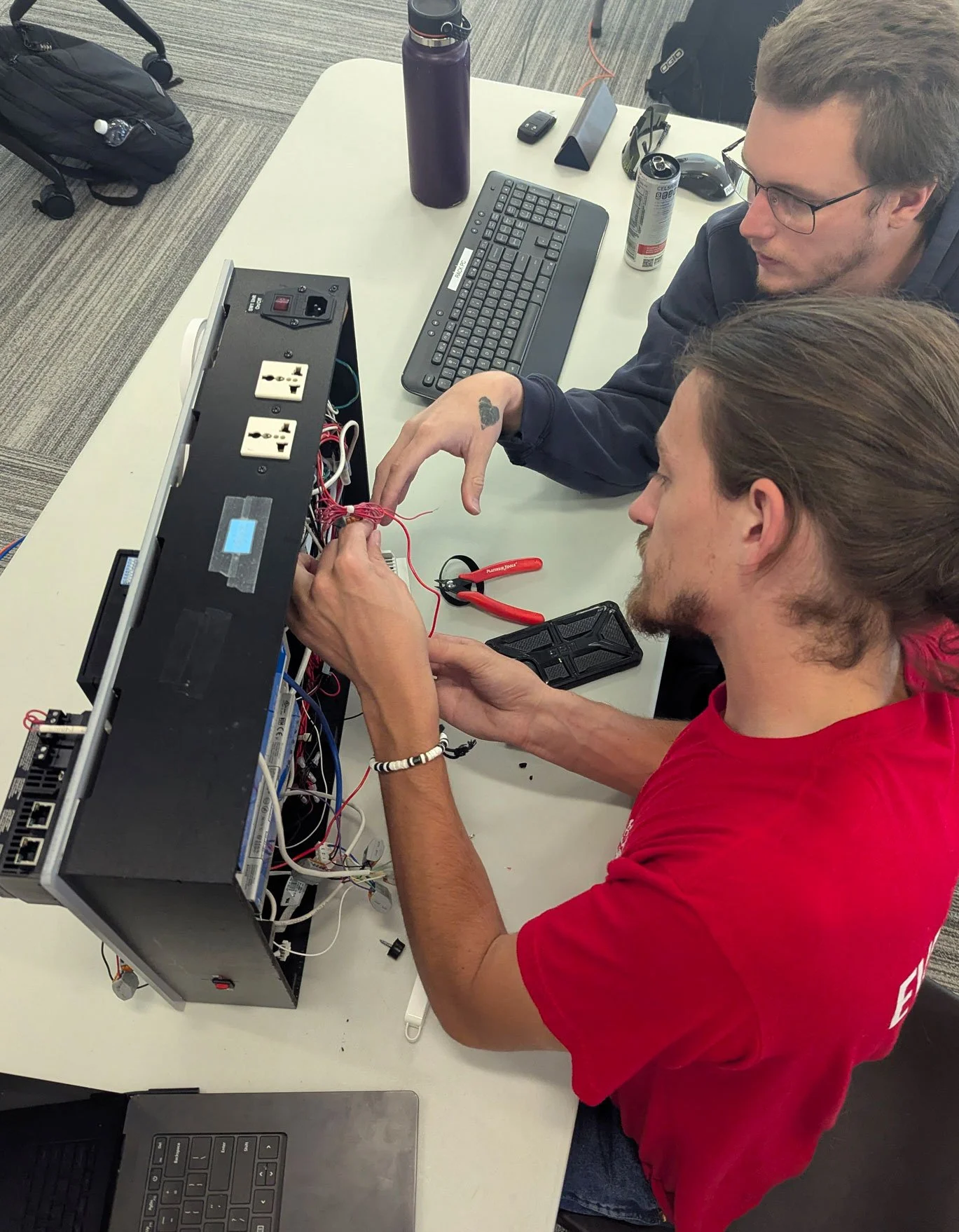
What to Look for in a CI Partner
Builders and architects are encouraged to ask integration partners about:
Formal training and certification pathways
Design-phase involvement processes
Documentation and as-built standards
Coordination experience with other trades
Training is not a guarantee of quality, but lack of training is a reliable predictor of problems.
Conclusion
Well-trained custom integrators function as design-aligned trade partners, not just technology installers. Their education directly supports cleaner construction, preserved design intent, and smoother project delivery.
For builders and architects, choosing trained CI partners is a risk-reduction strategy that pays dividends from framing through final client handoff.