Custom Integration and Quality Control
Preserving Design Continuity in Residential Architecture
As residential technology, such as lighting design and control, audio/video systems, shading, security, automation, etc., is becoming a standard, maintaining a cohesive design language is more critical than ever. Integration is no longer an afterthought; it is an architectural element.
For architects, the challenge extends beyond selecting the right integrator. It requires understanding evolving client expectations while ensuring that technology enhances, rather than undermines, the design intent. Without rigorous quality control, integration can quietly erode even the most disciplined architectural vision.

The Core Risk: Design Degradation Through Inconsistency
Breakdowns in design continuity rarely originate in concept; they emerge during implementation. Common failure points include:
Interface devices that clash with architectural aesthetics
Inconsistent placement of controls
Visible hardware that disrupts clean lines
Disjointed user experiences between spaces
Individually minor, collectively these issues erode the clarity and refinement of the home.
Quality Control as a Design Discipline
Preserving alignment between integrated systems and architectural intent requires treating quality control as an ongoing design responsibility, not a final checklist.
Specify Early, Not Late
Integration decisions made late in the process inevitably lead to compromise. Control locations, device types, and infrastructure requirements should be defined during early design phases to ensure seamless incorporation into the architecture.
Design the Visual Layer Intentionally
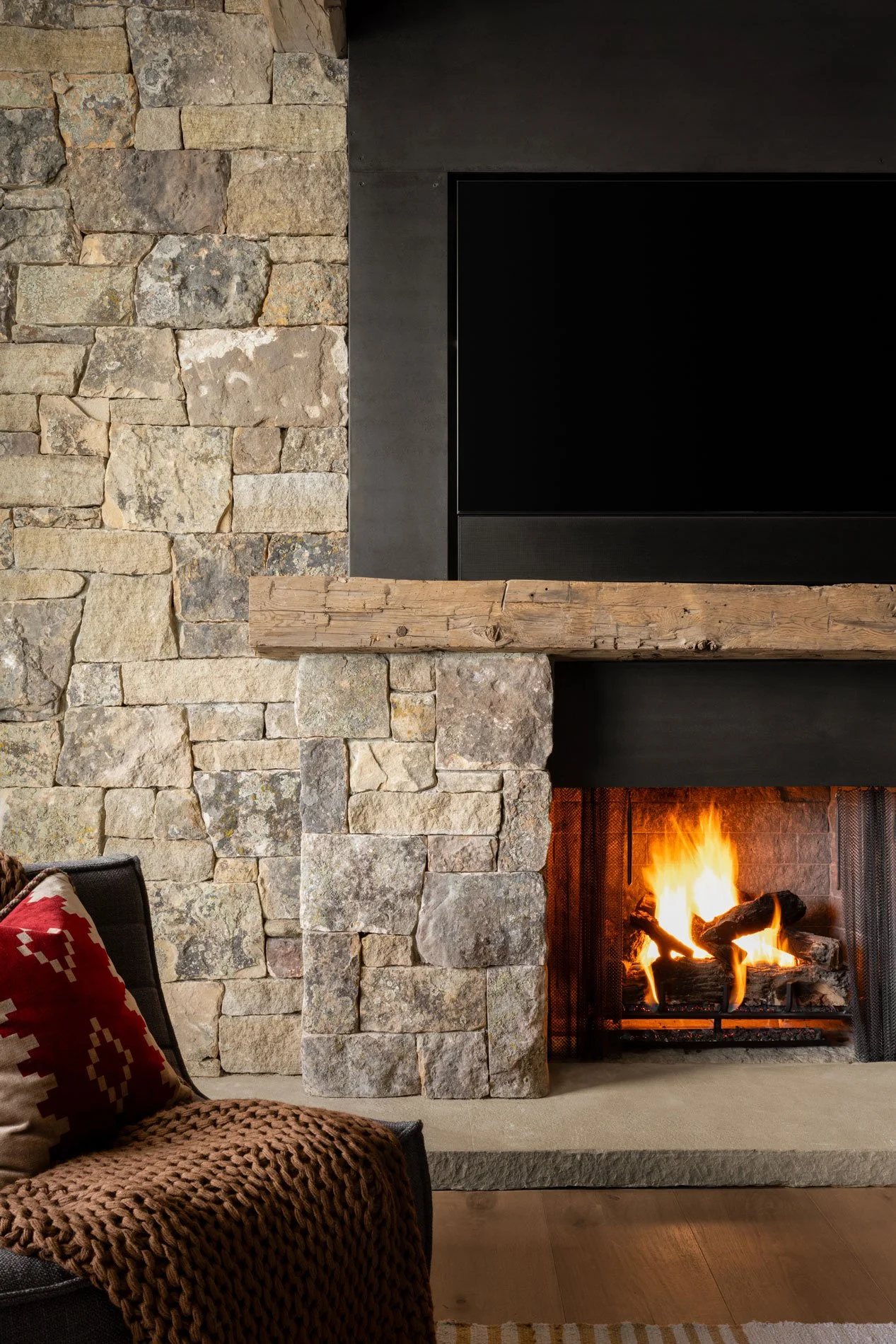
Every visible component, from keypads, speakers, fixtures, sensors, touch panels, etc., should be evaluated as part of the overall design language:
Do finishes align with surrounding materials?
Are proportions and alignments intentional?
Can elements be minimized, concealed, or custom-fabricated?
At this level of detail, projects either hold together, or fall apart.
Coordinate Across Disciplines
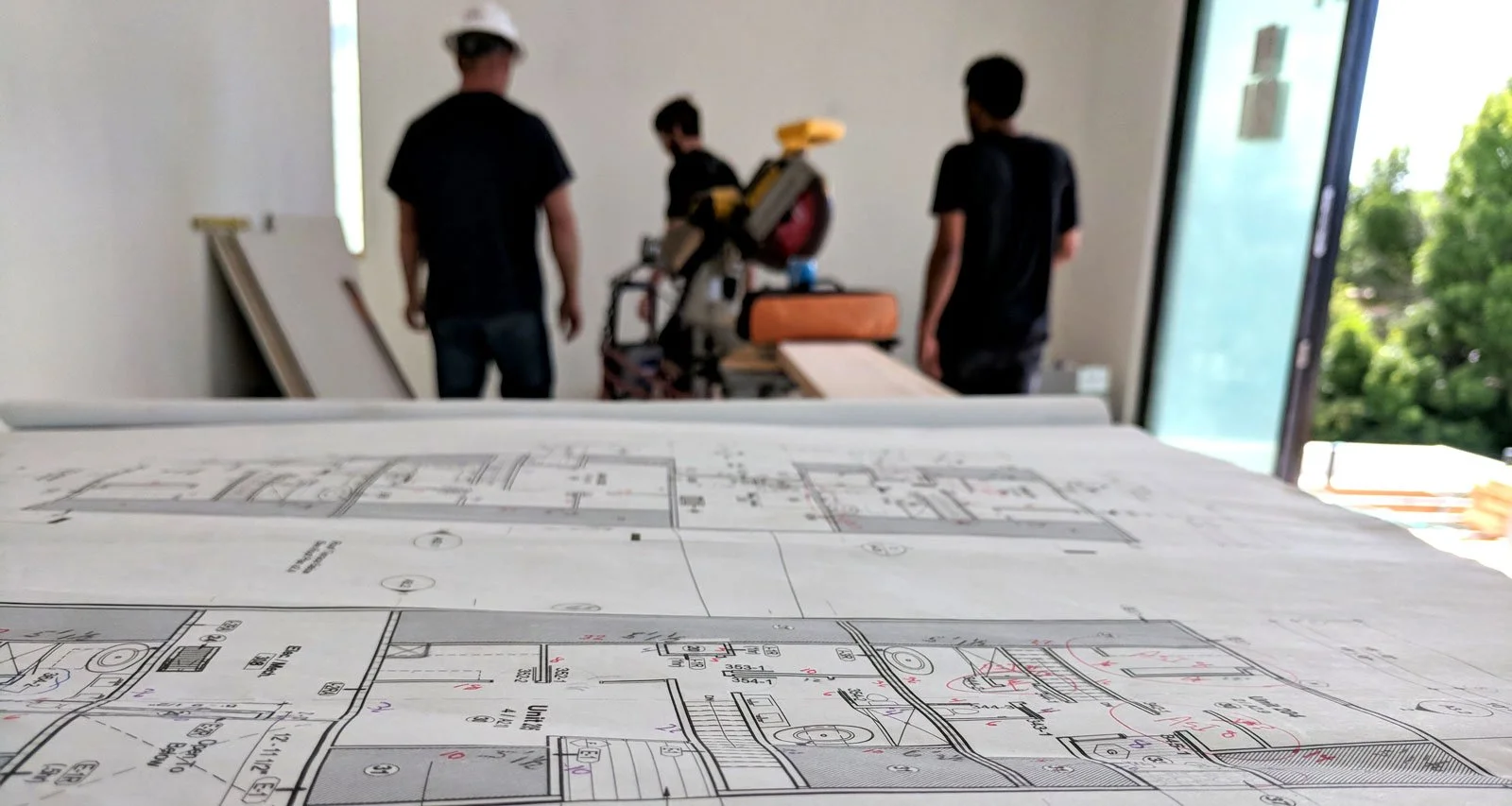
Integration intersects with multiple scopes, including electrical, lighting, interiors, and millwork. Without centralized oversight, inconsistencies emerge at these boundaries. Effective quality control depends on clear coordination and accountability across all disciplines.
Validate Through Mockups
Drawings alone are insufficient. Mockups and on-site reviews allow teams to verify:
Interface placement and alignment
Finish compatibility
User interaction and ergonomics
For high-design projects, where small deviations have outsized impact, this step is essential.
The Role of the Architect
Architects are uniquely positioned to enforce integration quality standards. By establishing expectations early and maintaining involvement through execution, they ensure that technology supports the design rather than competes with it.
Partnering for Better Outcomes
Achieving this level of integration requires collaboration with professionals who value design as highly as performance. Working with the right integrator enables:
Early, informed collaboration
Careful attention to materiality and spatial composition
Consistent quality control throughout implementation
The Guild Integrators Alliance represents a network of design-oriented integrators dedicated to aligning technology with architectural intent.
Conclusion
In modern residential design, integration is inseparable from architecture. The difference between a cohesive environment and a fragmented one lies in how rigorously quality is controlled, across every visible and experiential detail.
When treated as a design discipline, integration allows technology to become not an intrusion, but a natural extension of the architectural vision.